



If you’ve shopped for a new smartphone, gaming console, graphics card, or laptop recently, you’ve probably experienced sticker shock. Flagship smartphones are now pushing well beyond $1,000, premium gaming laptops can cost several thousand dollars, and even accessories seem more expensive than they were just a few years ago.
It’s easy to assume that tech companies are simply raising prices to make more money. While profit certainly plays a role, the reality is far more complicated. Rising production costs, advanced AI hardware, supply chain challenges, tariffs, and currency fluctuations have all contributed to the increasing cost of modern technology.
So, why exactly are phones, consoles, and other gadgets becoming more expensive in 2026? Let’s break it down.
The Cost of Making Chips Has Skyrocketed
Every modern device—from smartphones and gaming consoles to laptops and smartwatches—relies on powerful semiconductor chips.
Manufacturing these chips has become significantly more expensive.
Today’s flagship processors, such as Qualcomm’s Snapdragon 8 Elite, Apple’s A-series chips, and NVIDIA’s latest GPUs, are built using advanced manufacturing processes as small as 3nm or 2nm. Producing chips at this scale requires billions of dollars in research, cutting-edge fabrication plants, and extremely complex manufacturing equipment.
Companies like TSMC and Samsung Foundry continue investing heavily in next-generation chip production, and those costs eventually make their way into the final price consumers pay.
The result is simple: more powerful devices cost more to build.
AI Is Making Devices More Expensive
Artificial intelligence has become one of the biggest trends in technology, but it also comes with additional costs.
Manufacturers are now adding dedicated AI hardware to smartphones, laptops, and even desktop computers.
Modern devices include components specifically designed to accelerate AI tasks such as:
- Real-time language translation
- AI photo editing
- Voice assistants
- Image generation
- Video enhancement
- Productivity features
These dedicated Neural Processing Units (NPUs) require additional engineering and development, increasing manufacturing costs.
Apple Intelligence, Galaxy AI, Microsoft Copilot+, and Google’s Gemini-powered features all depend on more powerful hardware than previous generations.
Simply put, AI isn’t free—and neither is the hardware required to run it efficiently.
Memory and Storage Prices Continue to Rise
Another major reason behind higher gadget prices is the increasing cost of memory.
Over the past year, demand for high-bandwidth memory (HBM), DDR5 RAM, and advanced storage chips has surged thanks to the booming AI industry. Major chipmakers are prioritizing production for AI servers and data centers, where demand—and profit margins—are higher.
As a result, the memory used in consumer devices has become more expensive, pushing up the prices of smartphones, gaming PCs, laptops, and consoles.
Premium Features Have Become the New Standard

Remember when features like OLED displays, wireless charging, or 120Hz refresh rates were reserved for premium flagship devices?
Today, consumers expect them.
Modern flagship phones now commonly include:
- OLED or AMOLED displays
- Adaptive 120Hz refresh rates
- Titanium or aluminum frames
- Multiple high-resolution cameras
- Periscope zoom lenses
- Satellite connectivity
- Water and dust resistance
- Fast wired and wireless charging
- Advanced biometric security
Gaming consoles have also become more sophisticated, supporting technologies like ray tracing, high-speed SSDs, and AI-powered upscaling.
While these upgrades improve the user experience, they also increase manufacturing costs.
Global Supply Chains Are Still Recovering
Although the worst of the pandemic-era shortages are behind us, global supply chains remain vulnerable.
Natural disasters, geopolitical tensions, shipping disruptions, and factory slowdowns can all affect the availability of critical components.
When manufacturers struggle to secure displays, batteries, memory chips, or processors, production costs increase. Those higher costs are often passed on to consumers.
Even a delay in one component can affect the entire production process.
Tariffs and Import Costs Add to the Price
International trade policies also influence the cost of technology.
Many devices are assembled using components sourced from multiple countries before being shipped worldwide. Tariffs, import duties, and changing trade agreements can significantly increase manufacturing and distribution costs.
Companies must decide whether to absorb those expenses or pass them on to buyers. In many cases, consumers end up paying the difference.
Currency Fluctuations Make Things Worse
For buyers outside the United States, exchange rates can have a huge impact on prices.
If a local currency weakens against the U.S. dollar, imported technology becomes more expensive—even if the manufacturer’s suggested retail price hasn’t changed.
A phone that launches at the same dollar price as last year’s model can still cost much more locally due to exchange rates and import expenses.
Gaming Consoles Aren’t Immune
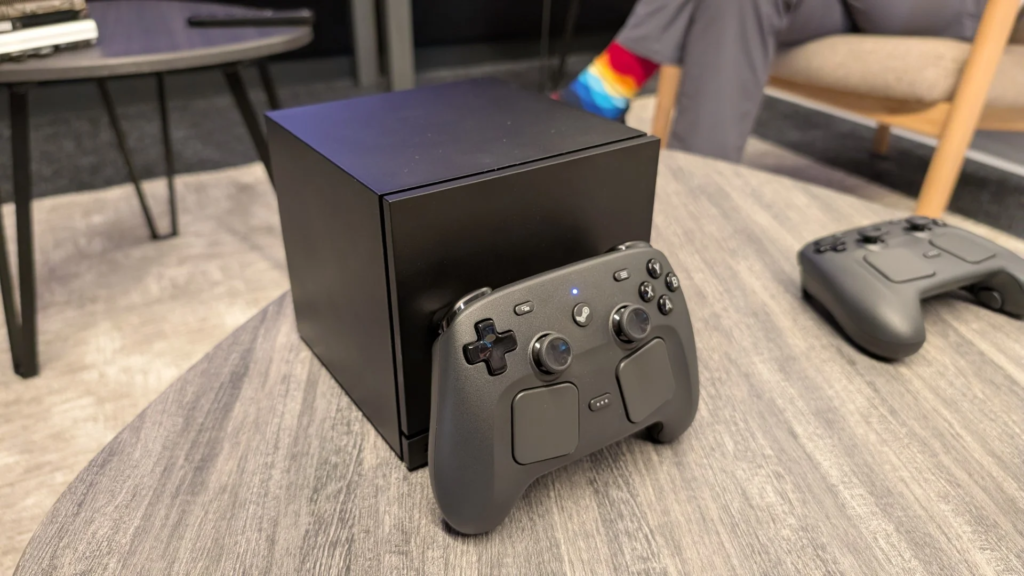
Many gamers assume consoles remain relatively affordable because manufacturers subsidize the hardware. While that’s often true, even consoles have seen price increases in recent years.
Modern gaming systems now feature custom processors, advanced graphics capabilities, ultra-fast SSD storage, and support for technologies such as ray tracing and AI-assisted rendering.
The cost of producing these components has risen considerably, making it more difficult for companies to maintain previous pricing strategies.
Accessories—including controllers, headsets, and storage expansions—have also become more expensive due to higher material and manufacturing costs.
Are Companies Simply Charging More?
It’s a fair question.
While rising production costs explain much of the increase, premium branding also plays a role.
Manufacturers know many consumers are willing to pay more for the latest flagship devices, especially those packed with cutting-edge features.
Companies increasingly focus on premium models because they generate higher profit margins than budget devices.
At the same time, software support has improved dramatically. Many flagship smartphones now receive six to seven years of updates, while premium laptops and gaming hardware often remain relevant for much longer than older generations.
From this perspective, manufacturers argue that buyers are receiving more long-term value despite the higher upfront cost.
Will Tech Prices Ever Come Down?
The answer isn’t straightforward.
Some components may become cheaper as manufacturing processes mature and competition increases. Foldable phones, for example, have already become more affordable than the earliest models.
However, AI is likely to continue driving demand for advanced chips, memory, and storage. As long as manufacturers keep adding more AI capabilities, production costs are expected to remain relatively high.
The good news is that increased competition between companies like Apple, Samsung, Google, Xiaomi, Honor, AMD, Intel, NVIDIA, and Qualcomm could eventually help stabilize prices.
Budget-friendly devices are also becoming more capable, giving consumers more options than ever before.
How to Save Money When Buying Tech
If you’re planning to upgrade your gadgets in 2026, a few smart strategies can help you avoid overspending:
- Buy during major sales events such as Black Friday or seasonal promotions.
- Consider last year’s flagship models, which often offer excellent performance at lower prices.
- Compare prices across multiple retailers before purchasing.
- Trade in your old device if the manufacturer or retailer offers a good exchange program.
- Think carefully about whether you truly need the latest premium features or if a mid-range model will meet your needs.
Sometimes, skipping one generation can save hundreds of dollars without sacrificing much in day-to-day performance.
Final Thoughts
Technology is becoming more expensive for several reasons, and it’s not just because companies want to charge more. Advanced chip manufacturing, AI hardware, rising memory costs, global supply chain challenges, tariffs, premium materials, and currency fluctuations have all contributed to higher prices across smartphones, gaming consoles, laptops, and other gadgets.
While these increases can be frustrating, consumers are also getting more powerful, longer-lasting devices packed with features that were once unimaginable. The challenge for buyers in 2026 is deciding whether those innovations justify the higher price tag.
For now, one thing is clear: as AI continues to shape the future of technology, the devices we use every day are becoming smarter—but they’re also becoming more expensive.