


Apple has officially unveiled iOS 27 at WWDC 2026, and it’s shaping up to be one of the most important iPhone updates in years. While iOS 26 laid the groundwork for Apple Intelligence, iOS 27 delivers the AI‑powered features users have been waiting for — including a dramatically smarter Siri, deeper AI integration across apps, performance boosts, and new customization options.
Unlike past updates focused on visual redesigns, iOS 27 is about making your iPhone more intelligent, useful, and personal.
Siri AI: A True Transformation
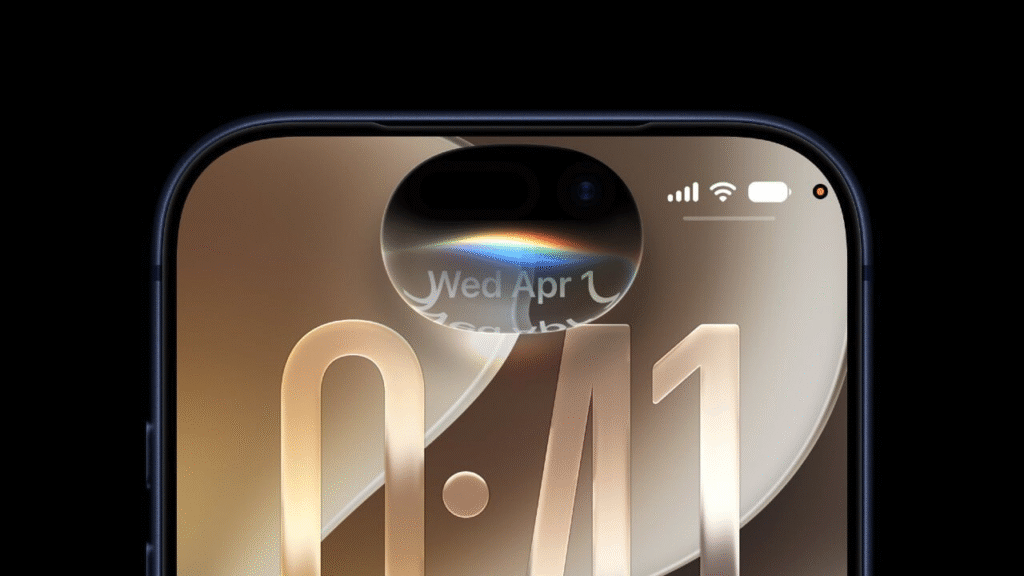
The headline feature is the complete overhaul of Siri. Now branded Siri AI, Apple’s assistant finally feels conversational and context‑aware, closer to modern AI companions.
Key upgrades:
- More natural, flowing conversations
- Personal context awareness
- On‑screen content recognition
- Smarter app integration
- Ability to answer complex questions
- Customizable voices
Apple has also introduced a dedicated Siri app, letting users revisit past conversations and continue chats across devices. For many, this is the Siri update they’ve been waiting for since Apple first teased its AI ambitions.
Apple Intelligence Everywhere
AI is now woven into the fabric of iOS 27, enhancing core apps:
- Safari: Smarter tab organization and webpage monitoring for updates.
- Shortcuts: Natural language support makes automation as easy as describing what you want.
- Passwords: Intelligent detection and auto‑updates for credentials.
- Photos: Advanced AI editing tools rivaling pro software, including object removal, spatial reframing, and photo extension.
These upgrades bring Apple closer to the AI‑powered editing and productivity features already popular on Android devices.
Design & Customization: Liquid Glass Evolves
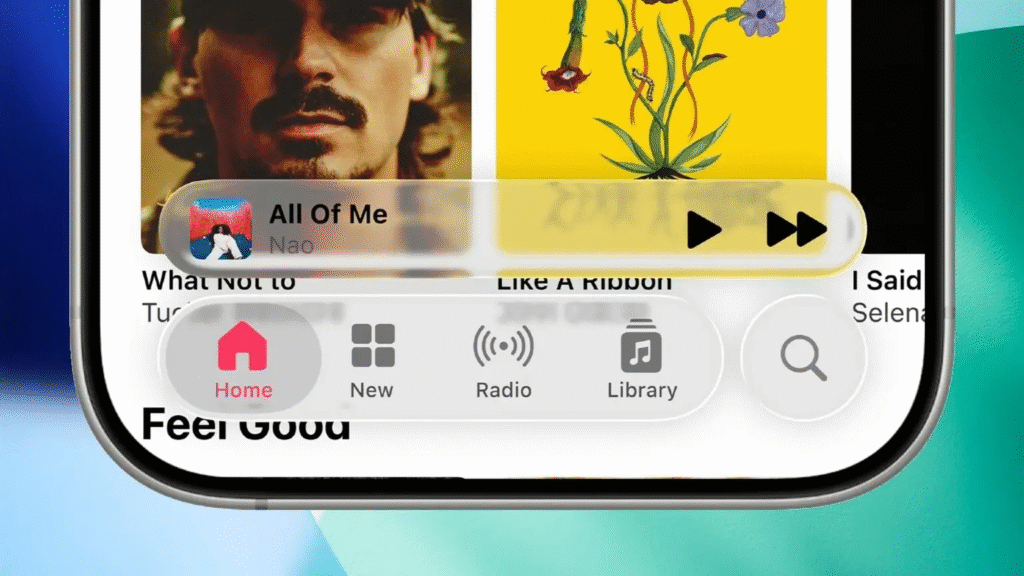
Apple’s Liquid Glass design language gets a usability boost. A new opacity slider lets users adjust transparency effects system‑wide, improving readability and accessibility while offering more personalization.
Performance Improvements
Not every upgrade is AI‑driven. Apple promises system‑wide optimizations, including:
- Faster app launches
- Improved photo loading
- Better AirDrop performance
- Enhanced responsiveness
- Smoother network transitions
- Efficiency gains on older devices
These behind‑the‑scenes improvements may have the biggest impact on daily use.
Communication & Family Features
- Call Context: Surfaces relevant info during calls.
- Messages: Smarter suggestions powered by Apple Intelligence.
- Parental Controls: More detailed monitoring, enhanced pause options, and improved family safety tools.
Preparing for the Future
iOS 27 is already optimized for future foldable iPhones, with multitasking and interface tweaks designed for larger, flexible displays. While most users won’t notice immediately, it signals Apple’s forward‑looking approach.
Supported Devices
iOS 27 runs on a wide range of iPhones, from the iPhone 11 series through iPhone 17, plus future models. Some advanced AI features may require newer hardware.
Release Timeline
- Developer beta: Available now after WWDC 2026.
- Public beta: Expected later this summer.
- Final release: Likely September 2026, alongside the next iPhone lineup.
Apple’s AI Partnership and Leadership Transition
One of the most significant announcements at WWDC 2026 was Apple’s partnership with Google Gemini. While Apple Intelligence is built on Apple’s own foundation models, it also integrates Gemini to power certain advanced features. This collaboration ensures Siri AI and other intelligence tools can handle more complex tasks while maintaining Apple’s focus on privacy and on‑device processing.
WWDC 2026 also marked a historic moment for Apple leadership. Tim Cook delivered his final keynote as Apple CEO, passing the torch to John Ternus, Apple’s Senior Vice President of Hardware Engineering, who will lead the company into its next era. Cook’s farewell underscored the importance of iOS 27 as a milestone update that sets the stage for Apple’s AI‑driven future.
Final Thoughts
iOS 27 may not be Apple’s flashiest redesign, but it’s arguably one of its most important updates in years. With Siri AI, deeper Apple Intelligence integration, powerful photo tools, performance gains, and customization options, Apple is positioning the iPhone as an AI‑native device.
For iPhone users, 2026 isn’t just another upgrade cycle — it’s the start of a new era where intelligence, personalization, and usability define the future of mobile computing.