


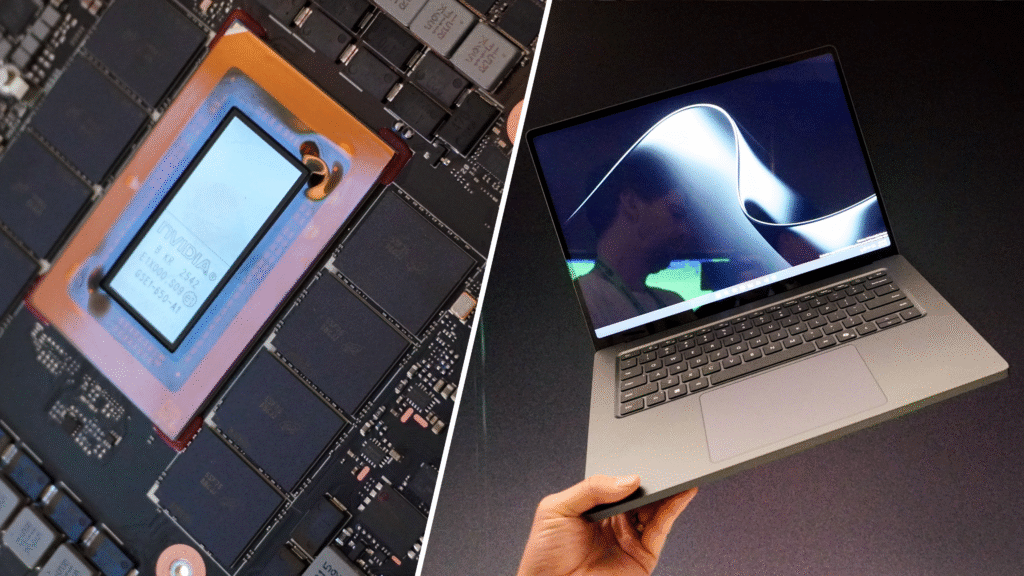
For decades, PCs have followed a familiar formula: Intel or AMD processors paired with dedicated graphics cards. While hardware has steadily improved, the basic structure of personal computers has remained unchanged.
That may be about to change.
At Computex 2026, NVIDIA unveiled the RTX Spark Superchip — a unified processor that fuses AI, graphics, and computing into one platform. Analysts are already calling it NVIDIA’s answer to Apple Silicon, with the potential to reshape the future of Windows PCs.
🔍 What Is NVIDIA RTX Spark?
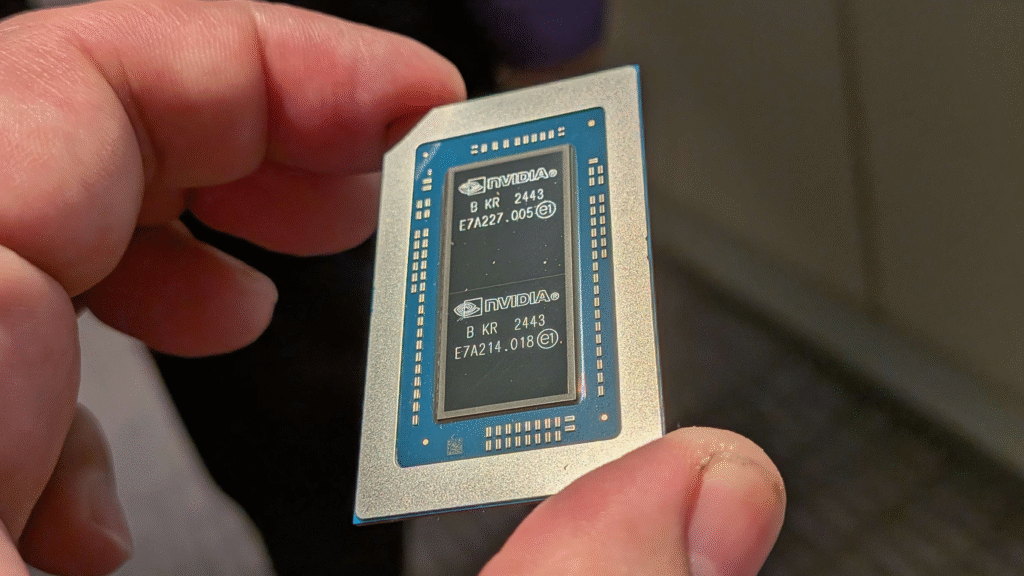
RTX Spark is NVIDIA’s next‑generation AI‑focused system‑on‑a‑chip (SoC). Instead of relying on separate CPU, GPU, and AI accelerators, Spark integrates them into a single package.
Key components include:
- Grace ARM CPU architecture
- Blackwell RTX graphics
- Dedicated AI acceleration hardware
- Unified memory architecture
- Advanced power efficiency features
The goal: deliver desktop‑class performance with laptop‑level efficiency — a strategy similar to Apple’s M‑series, but built for the Windows ecosystem.
⚡ Why RTX Spark Is Different
Traditional PCs separate CPU, GPU, and memory systems. Spark unifies them, allowing data to move seamlessly between components.
Benefits for users:
- Faster AI workloads
- Smoother content creation
- Improved gaming performance
- Better battery life
This tight integration is what makes Spark a potential game‑changer.
🤖 Built for the AI Era
AI is now central to modern computing — powering search, image generation, coding assistants, video editing, and more. NVIDIA claims Spark can deliver up to one petaflop of AI performance, enabling advanced models to run locally instead of relying on the cloud.
Advantages of local AI:
- Greater privacy
- Faster response times
- Offline functionality
- Reduced reliance on subscriptions
For developers and power users, this means powerful AI tools directly on their devices.
🧩 The Grace Blackwell Advantage
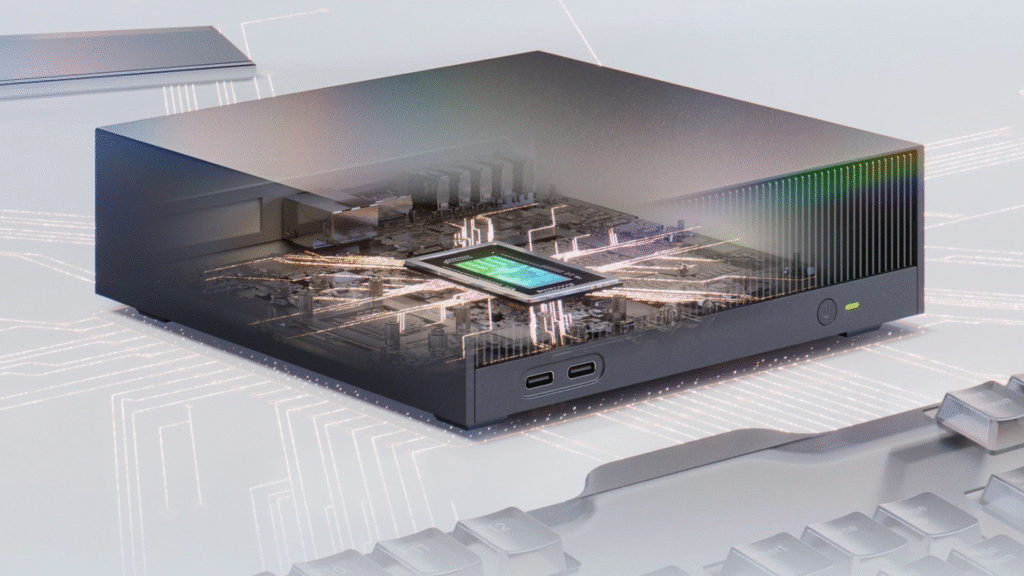
Spark’s strength lies in the Grace Blackwell architecture:
- Grace CPU provides computing power.
- Blackwell GPU delivers graphics and AI acceleration.
Together, they enable:
- Faster AI model processing
- Better multitasking
- Strong graphics performance
- Improved efficiency
This architecture borrows from NVIDIA’s datacenter technology, optimized for personal computing.
🎮 Can RTX Spark Handle Gaming?
Yes — Spark isn’t just for AI. It includes RTX graphics technology with:
- Real‑time ray tracing
- DLSS upscaling
- AI‑enhanced visuals
Early demos showed impressive gaming performance with excellent efficiency. While hardcore enthusiasts may still prefer discrete GPUs, Spark could redefine gaming laptops — thinner, quieter, and more powerful.
🎨 Content Creation Power
Creators benefit from Spark’s integrated AI and graphics:
- Video editing
- 3D rendering
- Graphic design
- Animation
- AI image generation
Software like Adobe Premiere Pro, Blender, and DaVinci Resolve increasingly rely on AI acceleration. Spark’s architecture is built to handle these workloads smoothly, cutting rendering times and streamlining workflows.
💻 The Potential Impact on Windows PCs
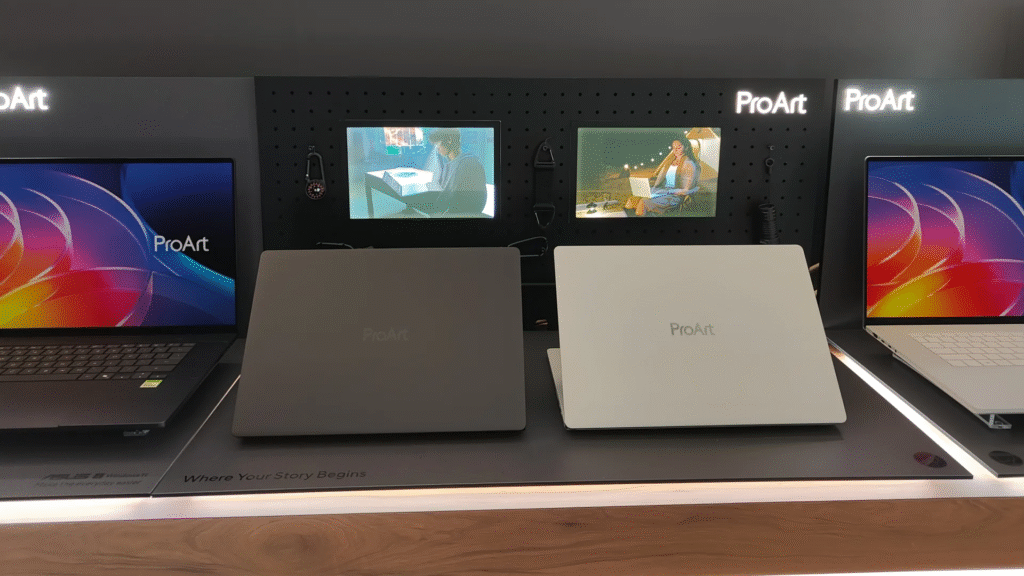
Apple’s M‑series gave Macs a huge advantage in performance and efficiency. Spark could finally give Windows manufacturers a similar edge. Expect devices from Dell, Lenovo, HP, ASUS, and MSI powered by Spark. If successful, these laptops could combine:
- Long battery life
- Strong AI capabilities
- Quiet operation
- Competitive performance
This could mark the beginning of a new generation of AI PCs.
👥 Who Is RTX Spark For?
- Developers: Local AI models for coding and testing.
- Content Creators: Faster rendering and AI‑enhanced workflows.
- Gamers: Strong RTX graphics with efficiency gains.
- Students: Ideal for AI, engineering, and creative disciplines.
- Professionals: Productivity tools powered by local AI.
⚠️ Challenges Ahead
- Software Compatibility: Windows on ARM still needs optimization.
- Competition: Intel, AMD, Qualcomm, and Apple are all racing toward AI‑centric chips.
- Pricing: Adoption depends on affordability.
- Consumer Awareness: Many users don’t yet understand the benefits of AI hardware.
🌐 Could RTX Spark Really Change Personal Computing?
The answer depends on how quickly AI integrates into everyday software. If adoption continues at its current pace, Spark could be one of the most significant PC chip launches in decades.
By merging CPU, GPU, AI acceleration, and unified memory, NVIDIA is creating a new category of Windows computer — designed for the AI‑first era.
🏁 Final Thoughts
RTX Spark is NVIDIA’s boldest move beyond graphics cards. By fusing AI, graphics, and computing into a single superchip, NVIDIA aims to anchor the next generation of personal computing.
Whether you’re a gamer, creator, developer, or professional, Spark is worth watching closely. The AI PC era is just beginning — and NVIDIA intends to lead it.